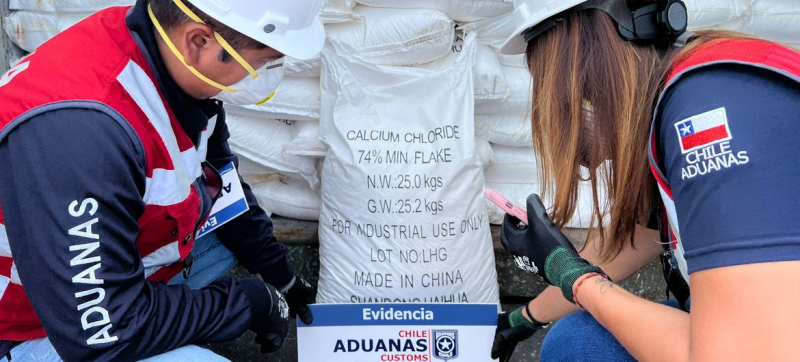

Seizure of a large shipment of synthetic drugs in Chile. The fight against drugs: global progress and new regional challenges Peace and Security
International cooperation under the three drug control conventions has significantly reduced the harm caused by drug trafficking and protected the health of people around the world. This is stated in the report of the International Narcotics Control Board (INCB) for 2025, published on Thursday.
INCB President Seville Atasoy stressed that the system works thanks to the unflagging support of states: “The conventions, a strong basis for joint action, have curbed drug trafficking and abuse for 60 years, and ensured access to essential medicines.”
Global Accounting and Notification System
In its report, the committee notes that the global accounting and notification system keeps the diversion of legally produced substances into illicit channels to a minimum. In 2025, through the PEN Online platform created by INCB, it was possible to prevent an attempt to export three tons of fentanyl precursor, which could have led to the production of up to 3.3 tons of the dangerous drug.
The organization emphasizes that modern data sharing tools allow states to more quickly respond to trafficking attempts and prevent fraud in the international trade of controlled substances. Cooperation with the private sector is also playing an increasingly important role: the chemical industry, logistics companies and online platforms.
Access to painkillers
Special attention in the report is paid to access to painkillers. Despite sufficient global supplies, many low- and middle-income countries continue to face shortages of morphine-containing drugs and difficulties in purchasing them. INCB calls on states to remove barriers that prevent patients from receiving the care they need.
Regional trends
The report documents distinctive regional trends: rising drug use in Africa, declining deaths from synthetic substances in North America, an expanding cocaine market in South America, record levels of illicit methamphetamine production in East Asia, and increased trafficking through Oceania.
In recent years, according to the report, the illegal trade in cocaine has increased sharply in Western and Central Europe, as evidenced by the widespread availability of the substance and the overall volume of seizures. Synthetic drug production is expanding in Europe; The proliferation of new psychoactive substances continues to pose a serious problem.
Canada, Mexico and the United States of America have in recent years even more intensified their efforts to combat drug production and drug trafficking. The number of overdoses fell in both Canada (down 17 percent) and the United States (down 27 percent), but the paper’s authors say it’s too early to know whether the decline will become a sustainable trend. Non-medical use of opioids continues to be a public health concern among experts.
“Protecting people’s health from the dangers posed by drugs is our common responsibility,” recalled Sevil Atasoy, calling on countries to further strengthen international cooperation.