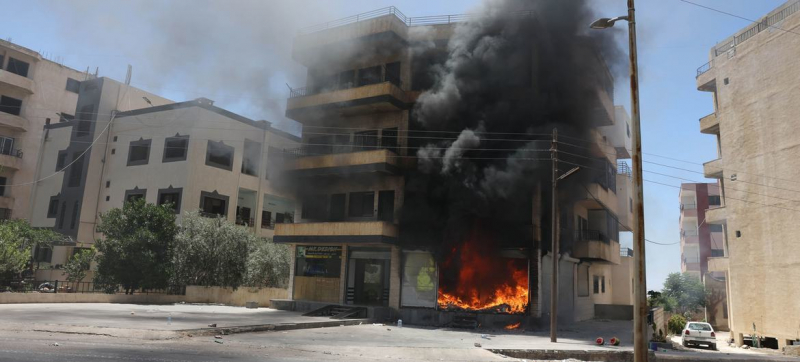

Fire in the city of Es-Suwayda, Syria. Syria: UN Independent Commission calls for justice after Suwayda tragedy International law
The Independent International Commission of Inquiry into the Syrian Arab Republic today released a new report on the events in Suwayda. Violence in July 2025 claimed the lives of more than 1,700 people and displaced almost 200 thousand local residents leave their homes.
The report was based on 409 testimonies from victims and eyewitnesses, as well as expert visits to the affected areas, and the Commission found widespread destruction—particularly in Druze villages, where tens of thousands of homes, businesses and religious sites were burned.
“The scale and severity of the violence and violations documented in Suwayda are deeply alarming,” said Commission President Paulo Sérgio Pinheiro. “Urgent and expanded efforts are needed to bring to justice all perpetrators, regardless of their ethnicity and rank, to restore trust among affected communities, along with genuine dialogue to address the root causes of the conflict.”
The commission documented mass executions, torture, gender-based violence and house burnings, among other human rights violations. According to experts, these actions can be qualified as war crimes, and if certain elements are confirmed during further investigation, as crimes against humanity.
Three waves of violence
According to the report, the July escalation of intercommunal violence tensions resulted in three destructive waves of violence: two were directed against the Druze, one against the Bedouins.
During the first and deadliest wave between July 14 and July 16, in the western part of the province of Es-Suwayda and in the city of Es-Suwayda, government forces, accompanied by tribal fighters, committed massive violations of international rights against Druze civilians, including murder, torture, arbitrary detention and looting. Men identified as Druze were separated from women and children and executed. Others were shot in the streets or killed in their homes along with family members.
The second wave began on July 17 after the withdrawal of government forces following Israeli airstrikes on Suwayda and Damascus. Druze armed groups attacked the Bedouin, committing serious violations of international humanitarian law, including murder, torture, arbitrary detention, forced displacement and looting. This eventually led to the expulsion of almost the entire local Bedouin community.
The third and most destructive wave, carried out by tribal fighters mobilized from the evening of 17 to 19 July, was again directed against the Druze in an act of retaliation. Almost all homes, businesses and religious sites in 35 villages with a Druze majority or mixed population were burned and looted, and civilians were killed or kidnapped. Some government forces took off their uniforms and joined the attackers.
Destabilization and external intervention
Israeli military intervention, as well as its pre-attack actions directed against the government and proliferation The feud not only led to the death and injury of people, but also contributed to destabilization, the Commission notes. They gave rise to accusations of treason against the leaders of the Druze community, provoked hate speech on the Internet and retaliatory attacks.
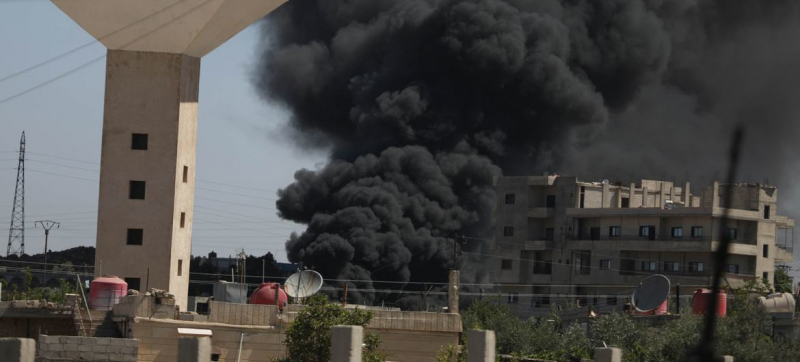
Military operations in Suwayda in July 2025.
Each wave of violence was accompanied by insults against the Druze and Bedouins. The commission found clear patterns of attacks based on religious identity, ethnicity, age and gender.
Representatives of local communities called for justice and restoration of intercommunity relations. The government pledged to ensure accountability, granted the Commission access to Suwayda and initiated an investigation. Recently, information was received about the detention of 23 employees of the security forces and the army. However, only limited information was provided about investigations into higher command.
Human casualties
According to the report, among the Druze, 1,190 men, 99 women, 22 boys and 31 girls were killed. The smaller local Bedouin community lost 53 men, 9 women, 5 boys and 3 girls. Most of the victims were civilians or persons no longer participating in the fighting, although men from both communities who were killed included members of armed groups or civilians directly involved in the fighting.
At least 225 government personnel were also killed (many as a result of Israeli airstrikes July 14-16 in Suwayda and Damascus), and additional casualties were reported among tribal fighters.
In total, the Commission received reports of at least 1,707 dead. Hospitals were overwhelmed and bodies piled up as the violence intensified.
In addition, many people were kidnapped or illegally detained. While most have now been found and released, about 100 Druze, 20 Bedouin and 30 government personnel remain missing. The fate of the Syrian civil defense volunteer who helped during the evacuation is also unknown. Initial reports of a large number of missing women have not been confirmed. The whereabouts of three Bedouin women and one girl remain unknown, as well as three Druze women.
The violence had a pronounced gender nature: men and boys were especially often targeted. Both Druze and Bedouin communities also reported cases of sexual violence against women and girls, including rape. A limited number of cases have been confirmed, and the full extent of the incident is still under investigation.
Continued instability
Es-Suwayda province remains deeply divided, and political dialogue has reached a dead end, experts say. The lines of control have not moved since July 19, and clashes continue. Reports of intra-Druze violence and restrictions on movement imposed by armed groups are being investigated.
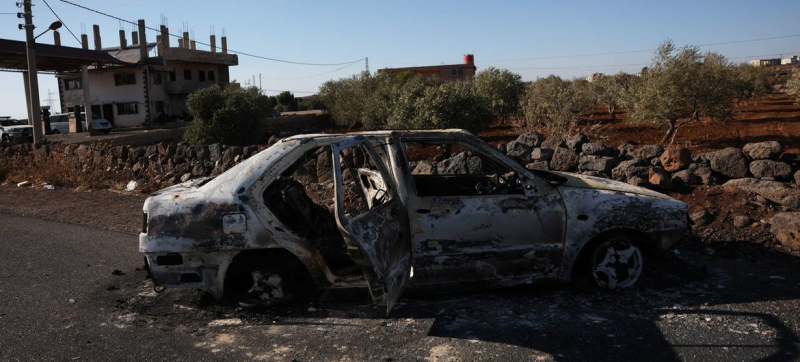
The city of Es-Suwayda in July 2025.
Of the nearly 200 thousand people who fled their homes in July, about 155 thousand mostly residents of burned Druze villages – still cannot return. Almost the entire Bedouin population also remains forcibly displaced, many living in inadequate shelters eight months later. Other communities, including Christians and non-Bedouin Sunnis, report feelings of insecurity and fear for their safety.
“While the State has the ultimate responsibility for respecting the rights of all people in Syrian territory, Druze armed groups also have obligations under international humanitarian law to bring those responsible within their ranks to justice, return the bodies of the dead and provide information on the missing, and ensure the right of displaced persons to return and respect for their homes and property,” noted Commission Member Moniya Ammar.
Disinformation and incitement
The July events, experts added, were accompanied by a sharp increase in incitement, reinforced by misinformation. False and fabricated videos and statements, including horrific claims of harm to pregnant women and newborns, were widely disseminated, including by Israeli officials. None of these reports have been confirmed, but they have deepened mistrust and complicated prospects for reconciliation.
In its report, the Commission calls for expanded efforts to ensure comprehensive accountability, concrete guarantees and measures to prevent recurrence of tragedy, build trust and reconciliation, and measures to counter hate speech, including online. The Commission urges the international community to support the Government in implementing these recommendations and calls on external actors, including Israel, to cease actions that pose a risk of further destabilization and harm to civilians.