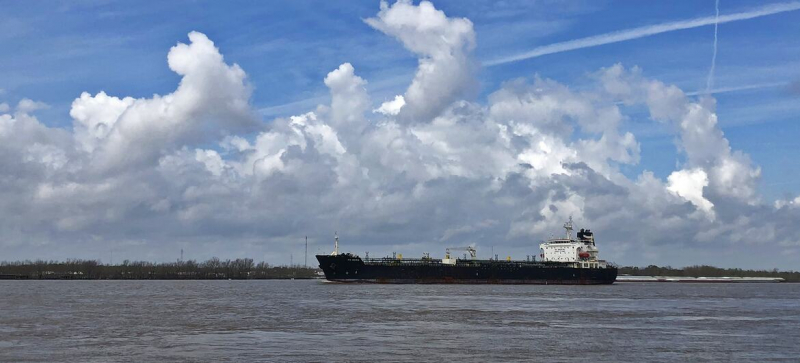

Shipping disruptions in the Strait of Hormuz risk triggering a domino effect around the world. UN creates task force to ensure supplies through the Strait of Hormuz Humanitarian assistance
Against the backdrop of escalation in the Middle East, UN Secretary-General Antonio Guterres initiated the creation of a special mechanism to prevent a global food crisis and facilitate maritime trade in fertilizers. This was reported today from the UN press service.
The ongoing conflict in the Middle East and the threat of its expansion is disrupting global logistics. Shipping disruptions in the Strait of Hormuz risk triggering a “domino effect” that will directly impact the humanitarian situation and global agricultural production in the coming months, the UN statement said.
Task force: composition and tasks
To quickly respond to these problems, Guterres established a specialized Task Force. The management of the structure is entrusted to the Deputy Secretary General and Executive Director of the United Nations Office for Project Services (UNOPS) Jorge Moreira da Silva.
The group also included key international institutions: the United Nations Conference on Trade and Development (UNCTAD), the International Maritime Organization (IMO) and the International Chamber of Commerce (ICC).
The priority of the structure will be the development of technical mechanisms aimed at solving humanitarian problems in the Strait of Hormuz area. If necessary, additional expert institutions will be involved in the work.
The UN emphasizes that the new initiative is based on the Organization’s experience, in particular the implementation of the UN Verification and Monitoring Mechanism for Yemen, the Black Sea Grain Initiative and the 2720 Mechanism for the supply of humanitarian assistance to Gaza.
Diplomatic efforts
The main goal of the group will be to facilitate uninterrupted trade in fertilizers and raw materials for their production. The UN noted that the launch of the mechanism will take place in close cooperation with member states, with full respect for their national sovereignty and within the framework of international law.
The Secretary General reaffirmed his commitment to finding a comprehensive and long-term solution to the problem, but emphasized that immediate action is necessary to mitigate the economic and humanitarian consequences of instability in the region.
“If successful, this initiative will strengthen trust between countries as part of the diplomatic process to resolve the conflict, becoming an important step towards a broader political settlement,” the statement said.
In parallel with the technical work of the Task Force, political engagement with Member States will be led by the newly appointed Personal Envoy of the Secretary-General for the Middle East Conflict, Jean Arnault.