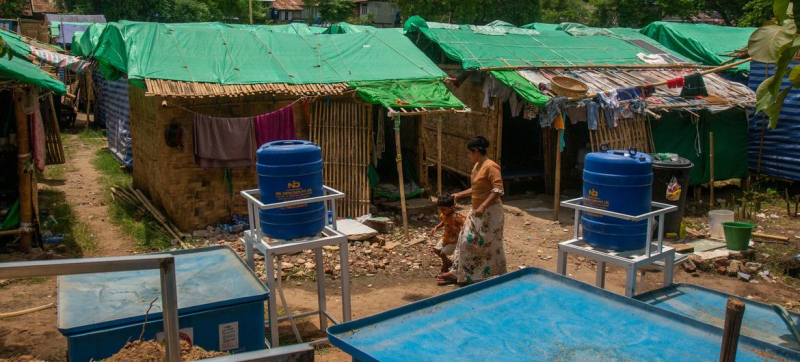

Natural disasters and fighting have forced millions of people in Myanmar to flee their homes. The UN is sounding the alarm: five years after the coup, mass sexual violence continues in Myanmar International law
Five years after the military seized power in Myanmar, sexual violence remains widely used as a tool of war and repression “to punish and intimidate the population.” This was stated today by the Special Representative of the UN Secretary-General on Sexual Violence in Conflict, Pramila Patten.
She said rape, gang rape and other forms of sexual violence have increased sharply since February 2021 amid ongoing conflict, mass displacement and a humanitarian crisis. The UN estimates that some 11.6 million people are in need of protection, including six million women and girls.
Systematic nature of violations
There are “horrifying” reports of systematic use of sexual violence by the Myanmar military and its affiliates “against women, girls, men, boys and members of the LGBTQI community, regardless of ethnicity or religion” in raids in villages, checkpoints, detention centers and online spaces. At the same time, similar crimes, according to incoming information, are committed by some opposition armed groups.
Serious risks remain for Rohingya women and girls in Rakhine State, the statement said.
In July 2025, the Independent Investigative Mechanism for Myanmar reported that it was continuing to collect evidence of crimes related to the armed conflict, including rape with various objects and gang rape of civilians of different ages and genders.
“The scale and brutality of sexual violence in Myanmar is shocking,” Patten said, calling on the country’s top military commander and representatives of all parties to the conflict to immediately stop such crimes and bring those responsible to justice. The Special Representative recalled that since 2017, the Myanmar Armed Forces have been included in the annex to the Secretary-General’s annual report on conflict-related sexual violence as a party reasonably suspected of committing rape and other forms of sexual violence.
Entrenched impunity
Patten added that entrenched impunity in Myanmar emboldens criminals and deprives victims of the opportunity to seek justice. The Special Representative stressed the need for accountability for crimes committed by all armed parties, including after the military coup.
The Gambia v. Myanmar case before the International Court of Justice, which concerns Myanmar’s failure to comply with its obligations under the Genocide Convention against the Rohingya people, serves as a reminder that grave violations, including sexual violence, remain the focus of international attention. “I call on states to support efforts to bring the perpetrators of these heinous crimes to justice in independent and impartial courts and recommend that the Security Council refer the situation in Myanmar to the International Criminal Court,” Patten said.
Consequences of violence
Survivors of conflict-related sexual violence in Myanmar face severe and long-lasting consequences, and also with significant barriers to accessing care. They are subject to repression and stigmatization, and at the same time, due to lack of funding, they do not always receive the services they need.
Internally displaced people from Myanmar in Asian countries also have difficulty accessing assistance due to their legal status and fears of arrest and deportation. The Special Representative noted the extraordinary dedication and resilience of Myanmar women, LGBTQI communities and local organizations who continue to support those affected despite enormous challenges.
“I call on the international community to keep Myanmar among its priority areas and to mobilize all possible political, diplomatic, technical and financial support to ensure that survivors of sexual violence and affected communities have access to the health, psychosocial, economic, educational and social assistance needed to rebuild their life,” Patten said.