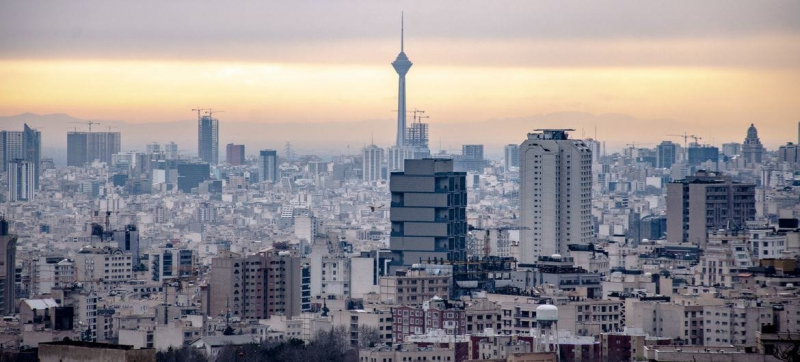

View of the capital of Iran, Teregan. Guterres welcomed the resumption of negotiations between the US and Iran Peace and security
UN Secretary-General Antonio Guterres on Friday welcomed the resumption of negotiations between Iran and the United States. The countries returned to dialogue after weeks of tension over Iran’s nuclear program and threats of a possible military strike from the United States.
According to media reports, indirect negotiations took place in Oman between delegations led by US Special Envoy for the Middle East Steve Witkoff and Iranian Foreign Minister Abbas Araghchi.
This was the first meeting of the parties since June last year, when the United States and Israel carried out airstrikes on Iranian nuclear facilities. The talks come as the United States is amassing forces off the coast of Iran, including a nuclear-powered aircraft carrier.
Reducing regional tensions
According to UN Deputy Spokesperson Farhan Haq, the Secretary-General expressed hope that the negotiations “will help reduce regional tensions and prevent a wider crisis.”
Guterres also expressed gratitude to the countries of the region for their efforts to facilitate the negotiations, in particular Oman for providing the platform.
“The Secretary-General consistently advocates de-escalation and peaceful settlement of disputes in accordance with the UN Charter. All issues can and should be resolved through peaceful dialogue,” Haque said.
The need to investigate the deaths of protesters
The Office of the United Nations High Commissioner for Human Rights (OHCHR) on Friday called for an investigation into reports of deaths and other violations during recent protests in Iran.
The demonstrations began in late December after shop owners in the capital, Tehran, took to the streets to express dissatisfaction with the collapse of the national currency, soaring inflation and deteriorating living conditions.
Anti-government protests eventually spread throughout the country. The authorities suppressed them with brutal methods. The country’s leadership has published a list of names of more than 2,900 people whose deaths have been confirmed.
However, as OHCHR representative Tamin Al-Khitan told reporters in Geneva, according to data coming from other sources, the death toll is much higher.
According to Al-Khitan, it is extremely difficult to verify information for a number of reasons, including communications and Internet outages.