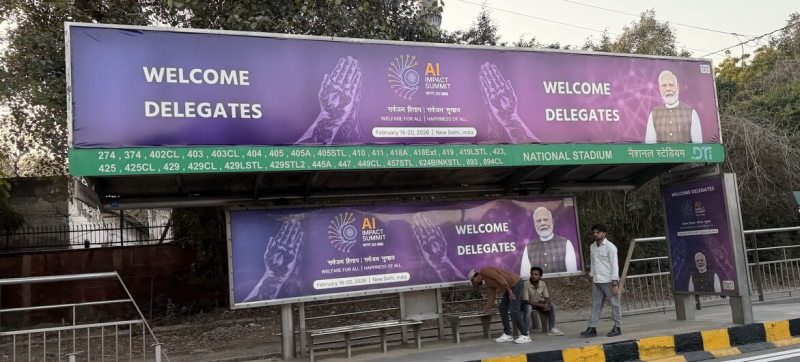

The India AI Impact Summit will be held from February 16 to 20 in New Delhi. The first AI summit in the Global South kicks off in India Economic development
Artificial intelligence is no longer the preserve of wealthy Western countries. Its application in the Global South, from healthcare to agriculture and industry, is already making a significant difference in people’s lives.
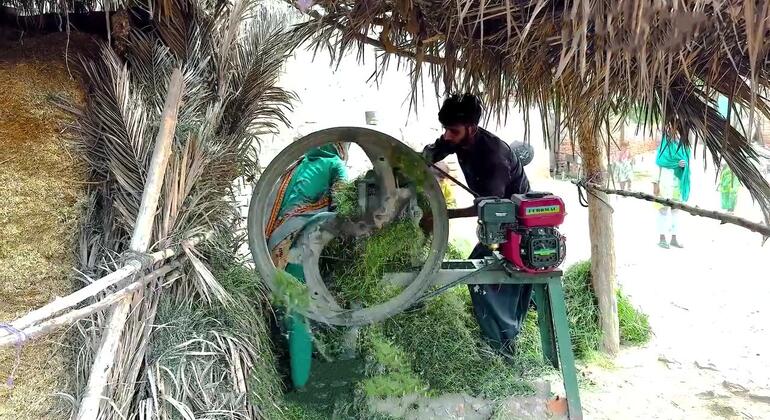
Forage cutters are dangerous machines with huge round blades that spin at high speed and are powered by small generators. They are used by rural workers in a number of developing countries, including India, Pakistan and Kenya. The risk is constant: as a result of accidents, many – most often women working on such plantations – have lost their hands. Until recently, modern prosthetics were an unattainable luxury for injured people, but now local AI solutions provide access to the same high-tech devices as in rich countries.
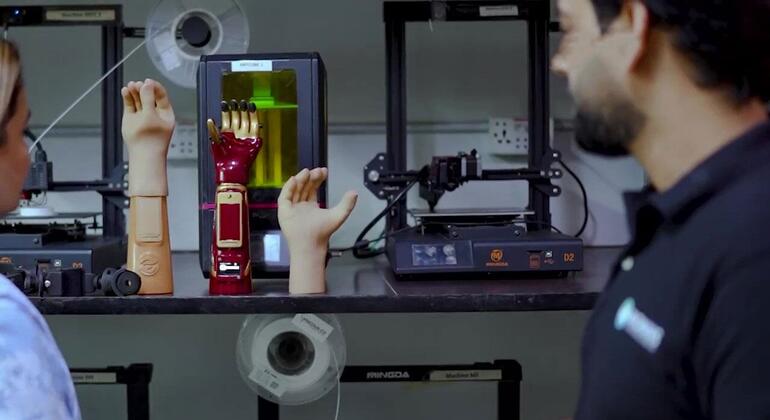
Karachi-based Pakistani company Bioniks Technologies, in collaboration with UN Women, has developed and introduced prosthetic devices specifically adapted for injured workers in Sindh province. The project used cutting-edge technology—3D modeling, digital scanning, and artificial intelligence—to create lightweight, durable, and intuitive bionic hands that could radically improve everyday life. “Through this collaboration, we provided advanced prosthetics, hands-on training, psychological support, and information sessions to help communities better understand safety guidelines and prevent similar injuries,” says Bioniks co-founder Ayesha Zulfiqar. “Watching these incredible women regain their mobility, dignity, independence and return to hand embroidery – their main source of income – has been truly inspiring. This is not just technology, it is about restoring hope, confidence and opportunity.”
Bridging the digital divide
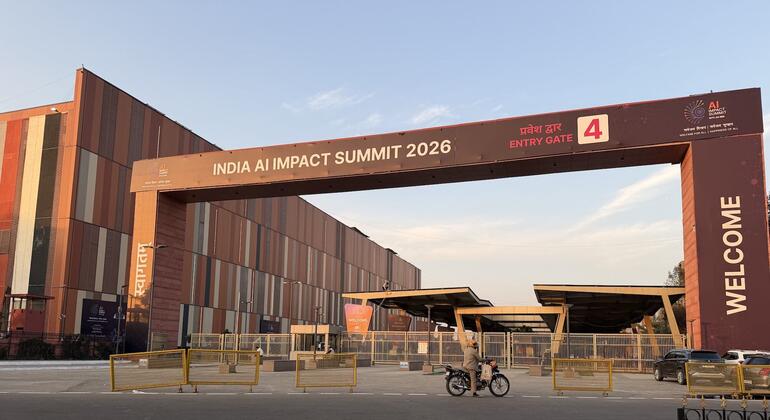
This project is a shining example of what is possible when AI is made available to innovators in the Global South. Democratizing artificial intelligence is a key priority for the United Nations, which is committed to ensuring that technology development benefits everyone on the planet. The India AI Impact Summit, to be held from February 16 to 20 in New Delhi, will see several UN agencies present initiatives they are promoting in India and other developing countries. The summit is the first major event of its size in the Global South. It continues the path set by the 2023 AI Security Summit in the UK and the 2025 AI Action Summit in France. The forum will be attended by UN Secretary-General Antonio Guterres and his Special Envoy for Digital and Advanced Technologies, Amandeep Gill.
In an interview with writer and podcaster Anirudh Suri, Gill noted that the UN is focused on bridging the growing “digital AI divide” – between rich and developing countries, and between the wealthy and the poor within states. “The concentration of economic and technological power in the hands of a few is our main concern at the UN,” he stressed. “We have already seen this in past industrial eras: those who missed the steam power revolution were half a century behind in development. We cannot allow this to happen again.” Gill noted regions that are already taking steps to avoid being left behind: “I see this in Southeast Asia, many countries in Africa and India, where governments are playing a leading role in subsidizing access to AI for researchers, developers and small companies.” Although the India summit is not an official UN event, Gill helped shape its agenda and sees the forum as an important step towards to international regulation: “It is encouraging to see the focus on bridging the digital divide, building capacity and engaging citizens in democratic discussions about technology.”
What to expect from the summit
- Participation of world leaders, politicians, technology companies, innovators and experts.
- Discussion of the role of AI in management, innovation and sustainable development.
- Speech by UN Secretary-General Antonio Guterres on February 19.
- A series of events by UN agencies demonstrating the use of AI for the benefit of society.
- Participants include the Food and Agriculture Organization of the United Nations (FAO), World Food Program (WFP), UN Women, UNICEF, World Health Organization (WHO), United Nations Development Program (UNDP), United Nations Population Fund (UNFPA), UNESCO and UN Office on digital and advanced technologies.