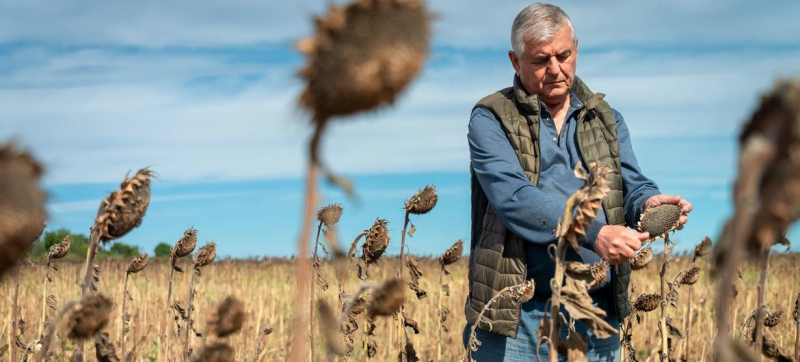

Supporting Ukraine’s farmers and rural families is not only a matter of food security, but also a foundation for the future recovery of Ukrainian communities. Agriculture remains a lifeline for Ukrainian families despite the war Peace and security
Agriculture remains a mainstay for millions of people in rural Ukraine – even as war destroys infrastructure, limits access to resources and undermines family incomes. This is stated in a new report from the UN Food and Agriculture Organization (FAO), based on a survey of more than 2,800 households in nine front-line regions.
The study shows that despite the shocks, rural families continue to cling to the land as the main source of relative financial stability. Four out of ten households are engaged in agricultural production, and for the majority it is not a business, but a way to survive. Owning your own vegetables, grains and milk helps you survive the price hikes and supply shortages that have become part of your daily reality.
Behind this resilience lies growing pressure. One in three households reported a decrease in income over the past year. For families already affected by war, this means having to make painful choices. More than 75 percent of respondents admitted that they are forced to spend savings, borrow money or cut basic expenses, including on medicine and education. Such strategies help to survive difficult periods, but gradually undermine the resilience of communities.
“For many rural families, agriculture is not just a job, but a lifeline that allows them to feed their children and maintain at least some stability,” emphasized Shakhnoza Muminova, head of the Ukrainian branch of FAO. According to her, supporting farmers today is an investment in the country’s recovery tomorrow.
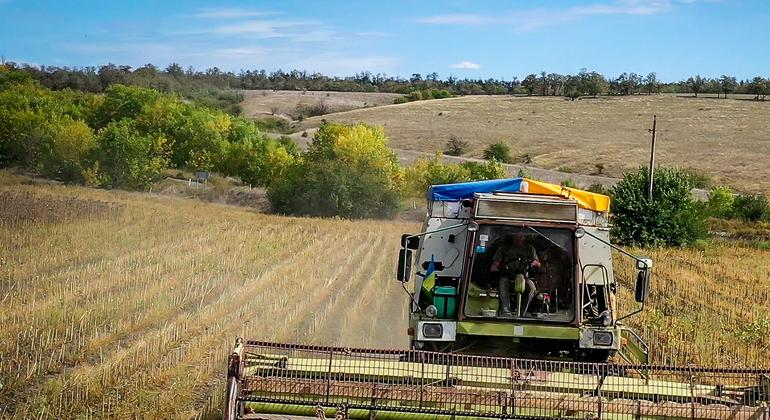
Internally displaced persons, female-headed families and households near the front lines remain particularly vulnerable. They are more likely to experience food insecurity, suffer more from economic shocks, and are more likely to resort to negative coping strategies. Many evacuees lost not only their homes, but also their animals: 70 percent of those surveyed reported that they were forced to leave livestock behind during the evacuation.
The situation is complicated by production cuts. A third of crop producers reported a decrease in harvest, and in the Kherson region this figure reaches almost half. One in five livestock farmers reported losing animals due to hostilities, occupation, or inability to provide feed.
“Many families continue to rely on agriculture as their main survival strategy, but the safety net it provides is gradually eroding,” said Aziz Karimov, head of FAO’s assessment and monitoring unit in the country and one of the report’s authors.
The data obtained formed the basis of the Response and Rapid Recovery Plan for Ukraine for 2026–2028, developed by the agency. They are also used by humanitarian partners to plan support to strengthen agricultural resilience and protect livelihoods.
Against the background of the ongoing war, coordination of the efforts of the state, humanitarian organizations and international donors becomes critical. Supporting farmers and rural families is not only a matter of food security, but also the foundation for the future recovery of Ukrainian communities.