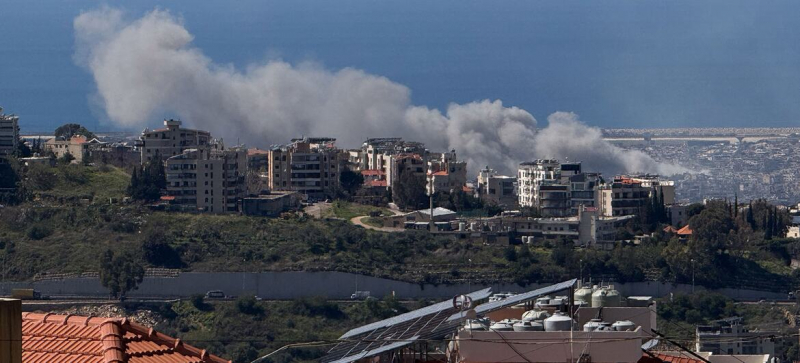

Consequences of air strikes in Lebanon. Crisis in the Middle East: The UN Human Rights Council discussed the situation in Iran Peace and security
The crisis in the Middle East is now in its third week, with fighting taking place in different parts of the region and humanitarian needs growing. Against this background, the UN Human Rights Council in Geneva on Monday held an interactive dialogue on the situation in Iran. The Independent International Fact-Finding Mission and the Special Rapporteur on Human Rights in the country presented their reports.
At the same time, UN agencies continue to increase humanitarian assistance in Lebanon, Iran and neighboring countries.
War and Repression
Presenting the findings of the Independent International Human Rights Fact-Finding Mission on Iran, its chair Sarah Hossein said Iranian civilians were suffering from both external military attacks and internal repression.
She recalled the attack on a school in the city of Minab on the first day of the US-Israeli military campaign, which killed more than 168 people. Most of the victims are schoolgirls, many of them under seven years old.
“Against this backdrop, we are especially alarmed by statements from senior US officials that long-established “rules of engagement” do not apply in this conflict,” Hossein said.
According to her, the mission continues to monitor compliance with international humanitarian law by all parties to the conflict and collect evidence of violations. She stressed that the escalation occurred at a time when the Iranian population was just beginning to recover from “unprecedented violence” by the authorities.
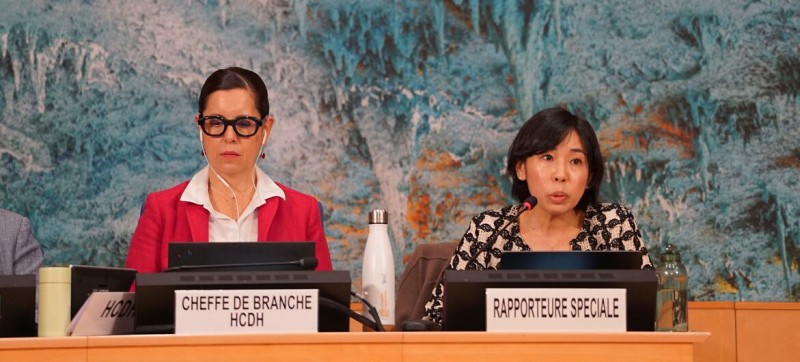
Mai Sato (right), Special Rapporteur on the situation of human rights in the Islamic Republic of Iran, presents her report to the UN Human Rights Council.
In turn, the Special Rapporteur on the situation of human rights in Iran, Mai Sato, warned that civilians bear the brunt of the conflict.
According to her, military actions have already led to significant civilian casualties, massive displacement of people and destruction of infrastructure. She also expressed concern about the situation of detained persons, internet shutdowns and disruption of access to basic services within the country.
Iran condemns strikes
Iranian Ambassador to the UN in Geneva Ali Bahreini, speaking at the Council, said that after attacks on oil infrastructure, people are forced to breathe air contaminated with toxic substances. He also condemned the “indiscriminate and unlawful attacks” on the country’s cultural heritage, which he said were linked to US and Israeli airstrikes.
According to the diplomat, in the first ten days of the war, about 14 thousand civilian objects were hit as a result of hostilities.
Attacks on humanitarian and medical workers
Meanwhile, it became known about the death of another humanitarian worker in the central Iranian province of Isfahan.
The International Federation of Red Cross and Red Crescent Societies reported that an employee of the Iranian Red Crescent Society died during a search and rescue operation on March 8. Since the beginning of the escalation, several employees and volunteers of the organization have already been injured.
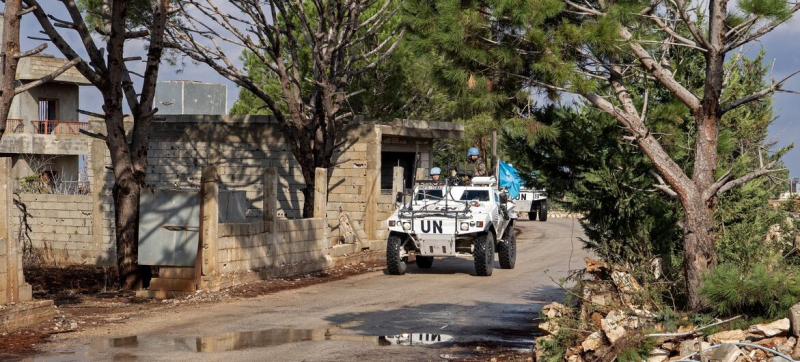
Peacekeepers in southern Lebanon. (archive)
According to the World Health Organization (WHO), Iran has recorded 18 attacks on medical facilities, resulting in the death of eight people. In Lebanon, since the beginning of March, 28 attacks on healthcare facilities have been recorded, as a result of which 30 doctors were killed and 35 were injured.
Two attacks on medical facilities were also reported in Israel.
Growing number of people in need
The UN High Commissioner for Refugees (UNHCR) warns of a sharp increase in the number of people crossing the border from Lebanon into Syria.
From March 2 to March 13, about 118,500 people arrived in the country, most of whom are Syrians returning to their homeland, but among the displaced there are also Lebanese citizens. UN agencies have expanded emergency support around border crossings.
Shooting of UN peacekeepers in Lebanon
Meanwhile, the UN Interim Force in Lebanon (UNIFIL) reported that their patrols On March 15, they came under fire three times in the south of the country. Two patrols returned fire in self-defense, after which they continued to carry out their tasks. There were no casualties among the peacekeepers.
The mission stressed that the presence of weapons outside state control in its area of operation violates Security Council Resolution 1701, and attacks on peacekeepers are unacceptable and can be considered a war crime.