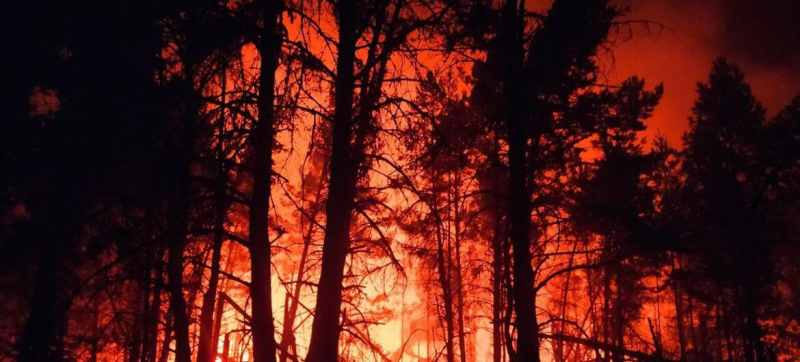

Forest fire in Belarus. Forests are more than a resource: how Belarus protects key ecosystems Climate and environment
Forests cover more than 40 percent of the territory of Belarus. Moreover, last year the country recorded twice as many forest fires as the year before. Armen Martirosyan, Deputy Resident Representative of the United Nations Development Program (UNDP) in Belarus, spoke about threats to the most important ecosystem and efforts to preserve it on the eve of the International Day of Forests, which is celebrated on March 21.
According to him, forests are not just a natural resource, but a complex, self-regulating ecosystem, the importance of which goes far beyond national borders.
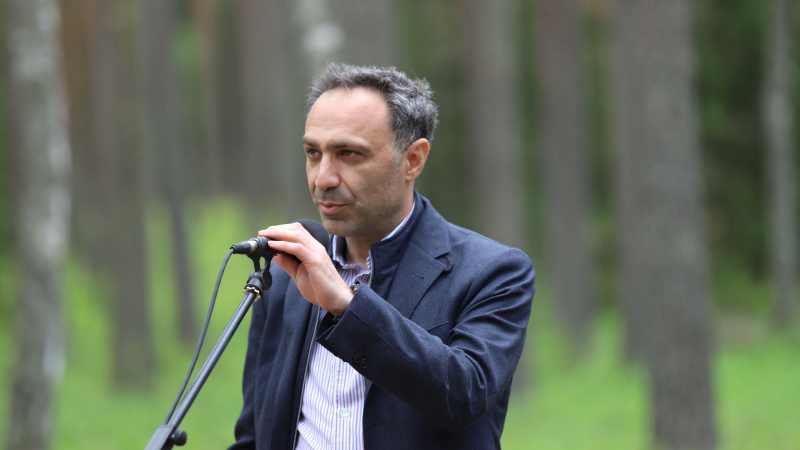
Armen Martirosyan, Deputy Permanent Representative of the United Nations Development Program in Belarus.
“Forests absorb and store carbon, playing an important role in mitigating climate change, regulating water regimes, protecting soils from erosion and improving air quality,” Martirosyan noted in an interview with Evgenia Kleshcheva of the UN News Service.
Ecosystem and economy
Today, forests cover 40.3 percent of the territory of Belarus – almost 10 million hectares. At the same time, according to UNDP, over the past 30 years their area has grown by one million hectares – or one hectare per capita, which is twice the world average growth rate.
Forest ecosystems play a key role in conserving biodiversity, providing habitat for thousands of species of plants and animals. The economic contribution of forestry is no less important. In Belarus, about 40 thousand people are employed in this industry, and wood processing products account for 8.4 percent of exports. We should also not forget about non-timber forest resources, such as berries, mushrooms and medicinal plants.
In addition, forests are an important space for recreation and tourism, which creates new opportunities for small businesses and employment in the regions.
“Ecotourism is becoming a priority in Belarus. Forests provide local communities with the opportunity to create jobs, develop small businesses and organize educational environmental routes for residents of the country and guests of Belarus,” the UNDP representative emphasized.
New threats
However, forest ecosystems face growing threats, primarily related to the effects of climate change.
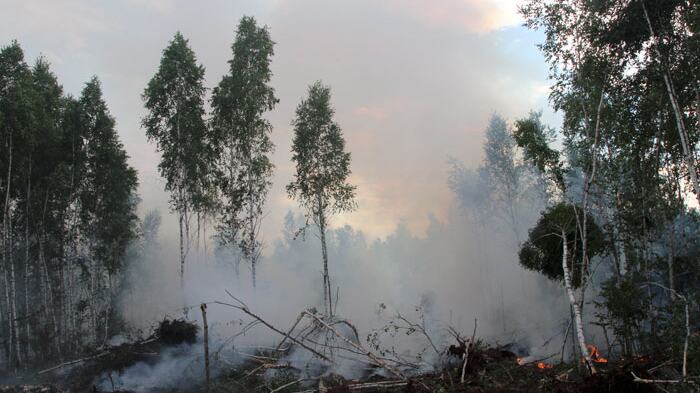
Forest fire in Belarus.
Forest fires remain one of the most serious problems. This, Martirosyan emphasized, is directly related to rising temperatures, a shortening of the frost period, changes in the dynamics and intensity of precipitation, as well as an increase in the scale of extreme weather conditions. According to experts, since the beginning of the fire season in 2025, more than 700 fires have been registered in Belarus, covering over 1,200 hectares of forest – almost doubling more than a year earlier.
“Coniferous forests, which are the majority in Belarus, are especially vulnerable, where fire can cause serious damage to biodiversity and destroy entire ecosystems. Forest pests remain an equally serious challenge. In recent years, the number of insects such as bark beetles and sawflies has increased. This is also due to climate warming and a decrease in the stability of forest ecosystems,” Martirosyan explained.
UNDP support
The UN Development Program has been cooperating with the Ministry of Forestry of Belarus for many years, helping to introduce modern approaches to management forest resources.
Thus, UNDP specialists have prepared recommendations for updating legislation in this area. In 2025, proposals were developed for the use of digital technologies and innovative methods for forest inventory, their protection and protection, as well as for effective fire fighting. In February 2026, with the support of the UN agency in Belarus, a strategy and national action plan for the conservation and sustainable use of biological diversity was adopted.
In 2025, a new project was launched to strengthen preparedness to prevent and respond to fires. This is the first project implemented by UNDP in Belarus with the financial support of the government of the People’s Republic of China within the framework of cooperation in the South-South format. Another project is aimed at developing eco-tourism and is being implemented in cooperation with the Ministry of Natural Resources with the support of the Russian Federation.
“Ecotourism creates new sources of income for local residents and at the same time supports protected areas. The project helps develop ecotourism infrastructure, create new routes and services, as well as train specialists who work in nature reserves in Belarus,” explained the UNDP representative.
Three steps to protect forests
According to Martirosyan, to preserve forests it is necessary to focus on three key areas.
The first is the use of innovations and digital technologies to monitor the condition of forests and early detection of threats.
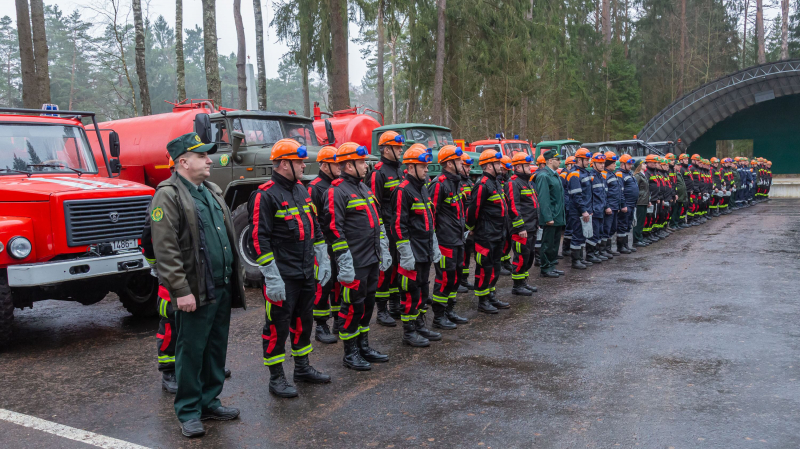
Inspection of fire personnel and equipment in preparation for the fire season in Belarus.
Second – strengthening partnerships between the state, international organizations and local communities.
Third education and raising environmental awareness, especially among young people.
Working together with partners at the international, national and local levels allows us to form a systematic approach to forest management, ensure sustainable results and preserve forests for future generations.
“The forest is a living organism. It must be treated not just as a resource, but as a part of our common reality, on which our future depends,” the expert emphasized.