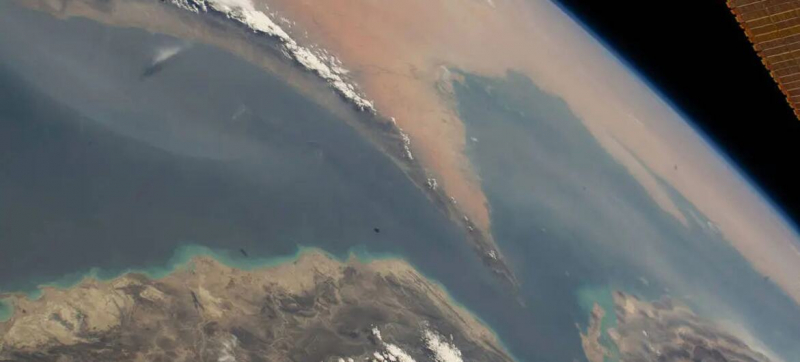

The Strait of Hormuz runs between the United Arab Emirates and Iran. Shipping disruption in the Strait of Hormuz increases risks for global energy and fragile economies Peace and security
The United Nations Conference on Trade and Development (UNCTAD) has released an operational analysis, Shipping Disruption in the Strait of Hormuz: Implications for Global Trade and Development, on the impact of disruptions to maritime traffic through one of the planet’s key trade corridors.
The Strait of Hormuz transits about a quarter of the world’s seaborne oil supplies, as well as significant volumes of liquefied natural gas and fertilizers, the report says. The escalating conflict in the region has disrupted business patterns, raising concerns among experts about the potential for dire consequences for energy markets, shipping and global supply chains. Energy markets reacted immediately, with the price of Brent crude rising above $90 a barrel. At the same time, freight rates for tankers and insurance for war risks are rising, as well as increasing costs for ship fuel, which leads to higher prices for transportation throughout the logistics chain. About a third of the world’s seaborne fertilizer exports pass through the Strait of Hormuz – about 16 million tons per year. This raises concerns about the availability of fertilizers for the poorest countries, which are already facing supply instability and rising prices. Developing economies are particularly vulnerable, the report notes. High debt levels and rising borrowing costs limit their ability to withstand new price shocks. UNCTAD recalls that recent global crises – from the COVID-19 pandemic to the war in Ukraine – have shown how quickly disruptions in the supply of electricity, transport services and agricultural inputs can spread across interconnected markets, increasing inflation and undermining food supplies. security. Current events in the Strait of Hormuz are yet another reminder of the fragility of global trade and the need to strengthen the resilience of international transport corridors, especially in the face of growing geopolitical tensions, the report’s authors summarize.