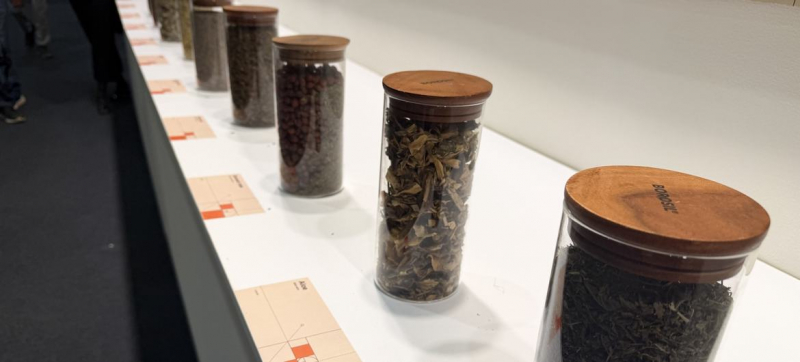

Medicinal herbs are used in many traditional medicine systems. World Wildlife Day: Medicinal plants – from ancient wisdom to modern trends Climate and environment
One day a young monk asked his mentor: is there a plant that is not used for medicinal purposes? In response, the teacher sent him to wander the world and find such a plant. The monk traveled for many years, communicated with healers, observed the lives of people in different countries. When he returned, he admitted: he was unable to find a single plant that did not have medicinal uses.
Danna J. Leeman, a biologist, ethnobotanist and outgoing co-chair of the Medicinal Plant Specialist Group of the International Union for Conservation of Nature (IUCN) Species Survival Commission, told UN News Service this story, which highlights the universal role of plants in human life.
There is no single definition of a “medicinal plant”. Since ancient times, different peoples have used various species in traditional medicine. However, their significance is not limited to historical practices. Today, medicinal and aromatic plants are part of modern medicines, food products, perfumes, cosmetics and household chemicals. Against the backdrop of growing interest in natural products, issues of their sustainable use and conservation are becoming especially relevant.
We spoke with Danna Lyman on the eve of World Wildlife Day, which is celebrated annually on March 3. In 2026, it will be held under the theme “Medicinal and Aromatic Plants: Preserving Health, Heritage and Livelihoods”.
Plants are part of wild nature
For decades, wildlife conservation has been associated primarily with the protection of animals. However, in recent years the approach has been gradually changing.
“Over the past 15 years, attention has begun to shift to a much wider range of organisms on which not only human health and well-being depends, but also the entire biological diversity system,” Liman noted.
She said the choice of theme for this year’s World Wildlife Day reflected a growing understanding of the key role plants play in both ecosystems and the economy.
“It is amazing how many communities – not only rural residents or users of traditional medicine, but also the pharmaceutical industry – depend on medicines derived from plants,” the expert emphasized.
The topic is closely related to the work of the Convention on International Trade in Endangered Species of Wild Fauna and Flora (CITES), the international agreement governing trade in wildlife. The Secretariat of this Convention coordinates activities related to the date of signing of the document in 1973.
“In many ways this is a statement that we are talking about more than just animals,” Lyman said. “CITES recognizes that many species involved in international trade, – this is plants.”
Thousands of species and growing risks
Experts from the Medicinal Plant Specialist Group and the Royal Botanic Gardens, Kew, London, maintain global databases recording medicinal and aromatic plant species and their uses. According to published data and trade statistics, approximately 30 thousand plant species are widely recognized as medicinal or aromatic.
The work of specialists is aimed not only at rare and endangered species, but also at supporting the sustainable use of widespread plants. Even popular species can be threatened if demand grows faster than resources can be managed sustainably.
Like all biodiversity in general, medicinal and aromatic plants are under threat. Recent assessments of the status of European medicinal plants indicate that significant risks are associated with agricultural expansion and land use change, as well as unsustainable wild collection practices.
Climate change is becoming an increasingly significant risk factor, especially for species living in vulnerable ecosystems, such as swamps or mountainous areas.
Ayurvedic plant under threat
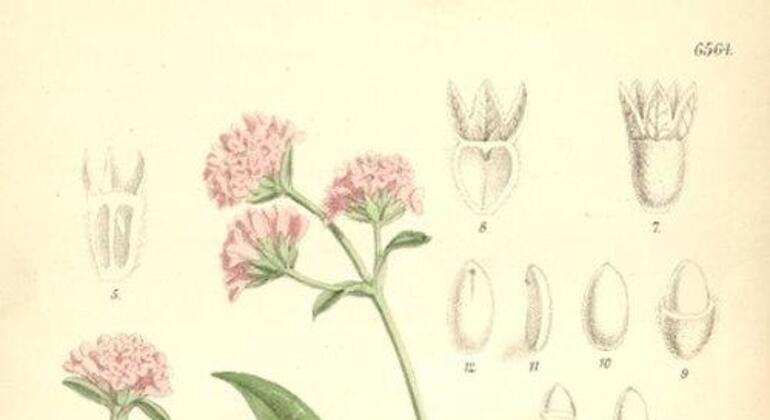
One example of the vulnerability of medicinal plants is Indian spikenard (Nardostachys jatamansi), a Himalayan plant widely used in Ayurvedic medicine. It grows at high altitudes in Nepal, India and China. The root is used for medicinal purposes, which means that when harvested, the plant dies, which requires particularly careful management of the resource.
The species is listed on CITES and is considered critically endangered on the IUCN Red List due to overcollection and pressure on its natural habitats. Nepal has introduced trade restrictions to protect populations. However, due to such measures, local communities have lost their main source of income.
Evidence of the sustainability of collection practices can help strike a balance between conservation and economic interests, Lyman said.
“If it can be demonstrated that collection and trade are carried out sustainably, this will support local economies while increasing incentives to conserve natural habitats,” she explained.
What consumers and companies can do
Global interest in medicinal and aromatic plants is growing rapidly. In many countries, consumers are increasingly choosing herbal preparations, dietary supplements and natural cosmetics.
“It’s important to pay attention to where these products come from,” Lyman emphasized.
She urged consumers to look beyond marketing claims and seek evidence that raw materials are sourced sustainably and ethically.
There are independent tools to help assess supply sustainability. Wildlife Trade Monitoring Network TRAFFIC, in collaboration with the IUCN Team of Specialists and the Food and Agriculture Organisation, has developed the WildCheck online platform to assess whether plant materials are harvested sustainably, what environmental risks exist and whether the rights of local communities are being respected.
According to Lyman, sustainability means not only preserving the species itself, but also fair working conditions, equitable sharing of benefits and supporting the communities that depend on these resources.
Certification schemes such as the FairWild standard aim to ensure environmental, social and business responsibility from the collection of raw materials to the sale of the finished product. Demonstrating sustainability is becoming increasingly important to investors and consumers alike. Choosing responsibly produced products can help reduce pressure on wild plant populations and support equitable livelihoods.