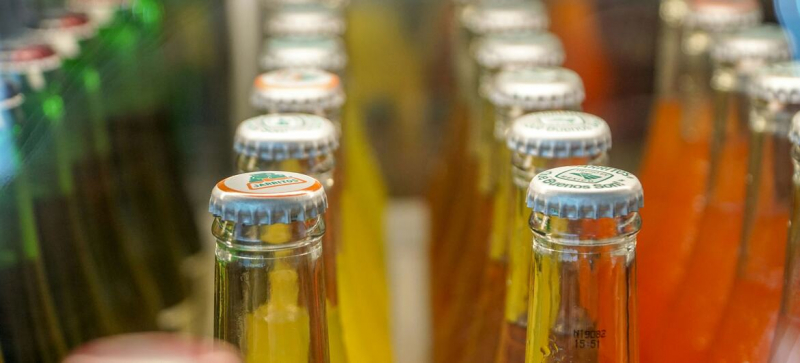

Sugar-sweetened drinks have no nutritional value. Lithuania introduces tax on sugary drinks to protect public health Healthcare
Lithuania introduced an excise tax on sugar-sweetened beverages, which came into force on 1 January 2026. This will be an important step towards preventing diseases and premature deaths associated with excessive sugar consumption.
Lithuania thus joins a growing number of countries that are using fiscal measures to encourage the consumption of healthier foods.
Why are sugar-sweetened drinks taxed?
“The introduction of the sugar-sweetened beverage tax is an important step our government has taken to reduce the growing burden of chronic disease. The number of people with overweight and obesity is increasing in Lithuania: our children consume more sugar than recommended, and this significantly contributes to the increase in the prevalence of chronic diseases,” said Lithuanian Health Minister Maria Jakubauskienė.
Sugar-sweetened drinks have no nutritional value and they contribute significantly to excess sugar consumption and excessive weight gain. In addition, high consumption of sugar-sweetened beverages has been linked to heart disease, diabetes, stroke, obesity-related cancers, and tooth decay. As a result, governments face multibillion-dollar health care costs.
Scientific evidence also suggests there are health risks associated with long-term consumption of non-sugar sweeteners, which have been shown to increase the risk of diabetes and cardiovascular disease, as well as premature death. Smart tax policies that raise prices and encourage industry to produce healthier products can play an important role in improving diets as part of a broader policy package.
“Given that in Lithuania a quarter of all deaths are attributable to diet-related risks, and more than 10 percent of schoolchildren drink sugar-sweetened drinks every day, measures aimed at increasing the price of high-sugar foods and encouraging product reformulation can make a real difference,” said the WHO director in European region Hans Kluge.
Measures to reduce the burden of disease
In Lithuania, dietary risks such as high consumption of sugar-sweetened beverages, as well as other factors such as low fruit and vegetable intake and high salt intake, accounted for approximately 25 percent of all deaths in 2019 (versus the corresponding European Union average of 17 percent).
The latest data highlights the scale of the problem: in Lithuania, 11.3 percent of students in grades 5–9 drink sugar-sweetened drinks every day, indicating that the habit is formed early in life. In addition, sales of soft drinks – defined as water with added sugar or other sweeteners and flavorings, including mineral water and carbonated drinks – grew by 11 percent in 2024, with sales reaching 29.3 million euros, according to the Government Statistics Agency. Thus, this product category is showing steady growth in the Lithuanian market.
The new policy involves a tiered system of excise taxes on drinks with added sugar or sweeteners. Thus, products containing 2.5–7.9 g of added sugar per 100 ml and any sweetener content will be taxed at 7.4 euros per 100 liters, and products containing 8 g of sugar or more will be taxed at 21 euros per 100 liters.
Concentrated drinks will be taxed at 105 euros per 100 liters in liquid form or 4.3 euros per kilogram in other forms. This measure does not apply to food supplements, specialty medical foods, infant and young child formulas, pharmaceutical products, nectars with added sugar and drinking milk products. Lithuania has long advocated tightening tax policy on alcohol.
By extending fiscal policy to soft drinks, the country is promoting evidence-based tools to protect public health. The next stage will require careful monitoring, data collection and enforcement, especially in view of the expected resistance from commercial actors.