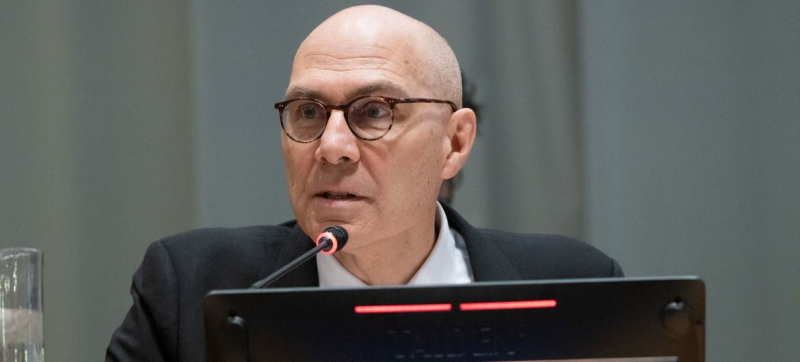

UN High Commissioner for Human Rights Volker Türk. UN human rights chief welcomes preparation of treaty on crimes against humanity Human rights
UN High Commissioner for Human Rights Volker Türk said that the preparatory negotiations that began in New York to create an international convention on crimes against humanity were a “landmark moment” for strengthening the global system for the protection of human rights and the fight against impunity.
According to Turk, discussing the future treaty is a “unique opportunity that comes once in a generation” to advance mechanisms for preventing serious crimes and ensuring accountability for them. He emphasized that states must show maximum determination when forming the text of the document.
Discussion of the draft document
Since January 19, representatives of states, international organizations and civil society have been meeting within the framework of the Preparatory Committee, which forms the basis for future formal negotiations. Key topics include the definition of a crime against humanity, the responsibilities of states to prevent and punish, the rights of victims, and the national and international instruments that should ensure the implementation of these obligations. Türk noted the high level of engagement among participants and expressed cautious optimism about the future course of discussions – despite the complexity of the process.
Modern challenges and historical injustice
The High Commissioner stressed that the future convention should reflect the development of international law and include modern forms of crimes. He recalled his support for the inclusion of the concept of “gender apartheid” in the document and called on states to seriously consider this and other proposals. “Delegates must create a convention that is resilient to the challenges of the future,” Turk said. “It must address the deep historical injustices that continue to impact the world while addressing contemporary threats.”
Victims must be at the center of the process
Türk emphasized the need for a process that is as inclusive as possible, in which a diverse range of civil society groups and experts will be represented. He called for the participation of victims in further stages of negotiations to ensure that the future treaty fully meets their expectations. The High Commissioner also called on delegates to consider mechanisms for the implementation of the future treaty, including the possibility of creating a treaty body. “The Convention should not remain a mere collection of words on paper. It should encourage states to translate the norms into reality,” he emphasized. Turk confirmed the readiness of his Office to support the process and provide expert assistance to states.
Help
Crimes against humanity are serious acts committed as part of a widespread or systematic attack against a civilian population, including murder, torture, sexual violence and other forms of ill-treatment. Unlike war crimes, they can occur in both conflict and peacetime. A separate universal convention dedicated specifically to crimes against humanity still does not exist.