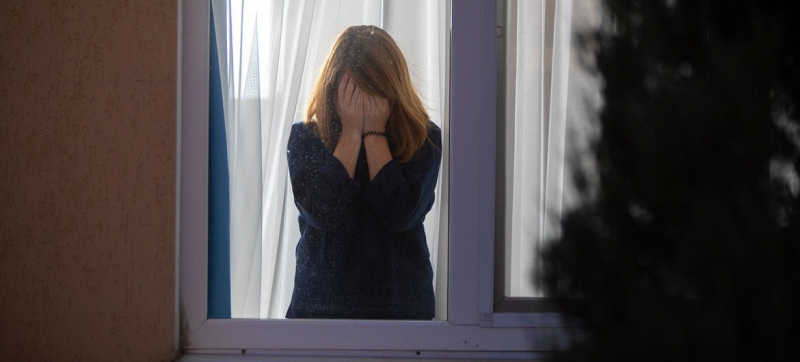

Violent discipline has long-term emotional and psychological consequences. UNICEF: Every third child in Europe and Central Asia experiences corporal punishment Human rights
Across Europe and Central Asia, millions of children are subjected to violent punishment – verbal or physical – by the people who are supposed to be caring for them. Although it is one of the most common forms of violence against children, it is often kept quiet because punishments happen behind closed doors.
According to a recent report by the United Nations Children’s Fund (UNICEF), nearly one in three children aged one to 14 years in the region experiences corporal punishment at the hands of their parents or guardians. Psychological aggression affects between 36 and 69 percent of children in the 15 countries for which data are available. These forms of violent “discipline” are often used simultaneously.
As of 2025, 39 countries in Europe and Central Asia have banned corporal punishment in all circumstances. Yet even with laws, political commitment and a growing understanding of harm, violent parenting practices remain widespread. They are often considered a “normal” part of parenting. However, data shows that more than 90 percent of parents believe that physical punishment and psychological aggression are not necessary, but many still resort to them.
The risk of physical punishment varies with age
In countries that provided data, rates of physical punishment generally increase in early childhood and peak at three to four years of age. Rates then decline, becoming noticeably lower among children aged 10–14 in many countries.
This indicates a regional trend: early childhood is a period of particular vulnerability. Forceful discipline during this time can undermine a child’s sense of security, affect brain development and learning, and increase the risk of emotional and behavioral difficulties.
Risk factors
In all countries with available data, boys are more likely to experience physical punishment than girls. The difference in psychological aggression is smaller, but boys still suffer slightly more often. This shows the influence of gender stereotypes: boys are more likely to be seen as needing more control.
In addition, children with disabilities are more likely to experience physical punishment than their peers without disabilities, highlighting the need for inclusive protections.
The role of the living environment
The risks of violent discipline can vary greatly within a country. A striking example is children living in Roma settlements. In Kosovo, Montenegro, North Macedonia and Serbia, Roma children are more likely to experience physical punishment than the national average. This is associated with poverty, social exclusion and limited access to services. When families and communities receive sufficient support, risks can be reduced.
A safe childhood for every child
Forced discipline leaves long-term emotional and psychological consequences. It teaches fear rather than understanding and increases the risk of repeating the cycle of violence in the future.
However, most parents do not intend to cause harm – often this is a consequence of stress, harmful social norms and lack of support. This means violence can be prevented.
Clear laws, resources for their implementation, effective monitoring and, most importantly, prevention are needed. Work with parents, teachers and specialists should be aimed at promoting non-violent methods of education.