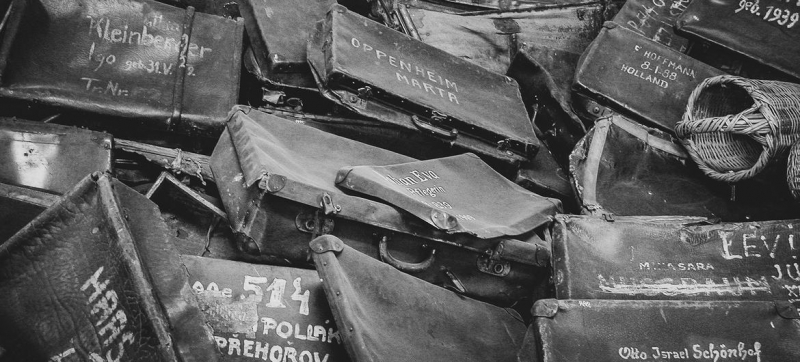

Suitcases and bags confiscated from prisoners in the Auschwitz concentration camp. UN Chief Human Rights Defender: Remembrance of the Holocaust – Protecting the Present and the Future UN
On the eve of International Holocaust Remembrance Day, which is celebrated on January 27, the UN High Commissioner for Human Rights, Volker Türk, called not only to remember the tragedy of the past, but also to reflect on the challenges of the present and responsibility for the future.
According to him, the events of 1945 may seem like distant history, but within the living memory of generations, millions of Jews and members of other minorities became victims of the Nazi regime. They were stripped of their dignity, harassed, and ultimately destroyed “with frightening assembly-line efficiency”— systematically, openly, and with impunity.”
Türk emphasized that the Holocaust did not begin with death camps, but with indifference and silence in the face of injustice, as well as with the gradual dehumanization of people. “Today, as always, we need to remember this,” he noted.
Increase in threats and attacks
The High Commissioner expressed alarm at the increase in threats against Jews and attacks on Jewish communities in recent years. He recalled the high-profile attacks in Sydney and Manchester, emphasizing that the countless everyday incidents of violence and abuse that do not make the news also leave deep wounds for people and communities. And hate and dehumanization, he said, are increasingly permeating the digital space.
At the same time, Turk noted that today humanity has more opportunities to resist these dangerous trends. Society has at its disposal the memory of the past, education, access to information and a system of human rights enshrined in international law.
General humanity
The High Commissioner called for these tools to be used to combat racism, anti-Semitism and dehumanization. He stressed the need for laws prohibiting discrimination in all forms, and also called on politicians to “unite rather than divide” people through their actions. He also noted how important it is for people of all generations to know about the Holocaust and human rights. In this context, he emphasized the need to create inclusive digital content moderation mechanisms.
“First of all, we must defend our common humanity every day,” Turk said. He recalled examples of selflessness during the Holocaust that demonstrate the power of compassion and reason.
The last witnesses of that era are passing away, but their example and inspiring stories live on, he added, mentioning the recently deceased Eva Schloss, who promoted ideas of tolerance and spread knowledge about the Holocaust.
“Together we must confront ideas of exclusivity, superiority and intolerance wherever we encounter them – at the family table, at work, on social networks. Each of us can become the creator of a world free from discrimination and intolerance,” the High Commissioner emphasized.
In conclusion, Turk quoted the words of Eva Schloss’s half-sister Anne Frank: “You don’t have to wait a minute to start making the world a better place.”